
Fertilization & Weed Control
Scheduled applications timed to the growing season, built to improve color, density and weed prevention rather than chase problems after they show.
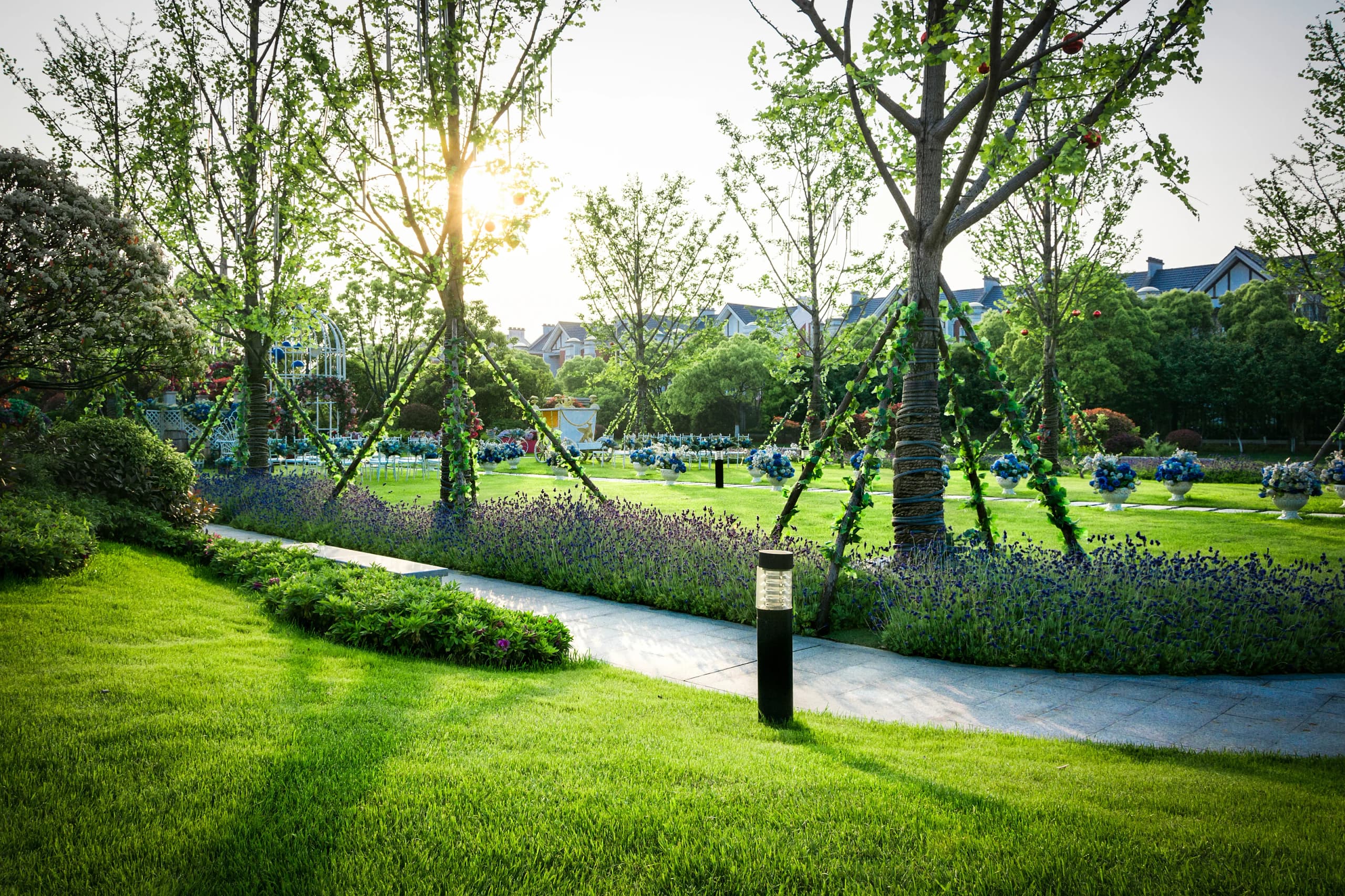
Lake Norman lawn treatment
AMPTurf Total Turf Managers is the turf-treatment side of Mow, Inc.: licensed, agronomist-led, family owned and veteran operated.
AMPTurf is the turf-treatment division of Mow, Inc. Treatment programs are scheduled and billed separately from lawn maintenance.
Mowing and maintenance: Mow, Inc.These are the six things we are usually called about. Every one of them is a treatment problem rather than a mowing problem.
Crabgrass, nutsedge, clover and broadleaf pressure that returns every year because nothing is preventing it.
Bare spots and thinning fescue that never fully recovers from the previous summer.
Yellowing or washed-out turf that mowing cannot fix, usually a fertility or soil problem.
Water runs off instead of soaking in, and roots stay shallow near the surface.
Brown patch through humid summers, plus grubs and armyworms that thin a lawn quickly.
Products get applied without anyone establishing what is actually wrong first.
Programs
Scheduled applications timed to the growing season, built to improve color, density and weed prevention rather than chase problems after they show.
Full-season treatment programs written separately for fescue and for warm-season lawns, because the two want opposite things at opposite times of year.
Preventive and corrective treatment for brown patch, large patch, grubs, armyworms and the other pressures that show up on Piedmont lawns.
Core aeration paired with overseeding to relieve compaction, open the soil profile and rebuild fescue that has thinned through a Carolina summer.
Core aeration timed to the warm-season growth window, so bermuda and zoysia root deeper instead of sitting on a compacted layer.
A proper look at what is actually wrong. Weeds, disease, insects, watering, soil and turf health get evaluated before anything gets applied.
Fescue and warm-season grasses want opposite things at opposite times of year. Treating them on the same schedule is how lawns get worse while somebody is still spraying them.
Pre-emergent goes down ahead of crabgrass germination, with the first fertility round timed to green-up. Getting ahead of weeds is far easier than chasing them.
Broadleaf control, summer fertility suited to the grass type, and monitoring for brown patch, grubs and armyworms. Warm-season lawns get aerated in this window while they are actively growing.
The most important window for fescue. Core aeration and overseeding while soil is still warm and air is cooling, plus the fertility that rebuilds density before winter.
Dormant-season weed control and a soil and turf assessment that sets the plan for the following year.
An evaluation looks at grass type, soil condition, shade, drainage, irrigation coverage, weed spectrum and any disease or insect activity. You get told what is actually wrong, including when the answer is that the lawn does not need a program.
Credentials
Putting product on turf is a licensed trade in North Carolina, and the wrong application at the wrong time of year is an expensive way to make a lawn worse. It is worth knowing who is holding the spreader.
AMPTurf works under the two state licences that govern this trade in North Carolina, with a certified agronomist reviewing the programs.
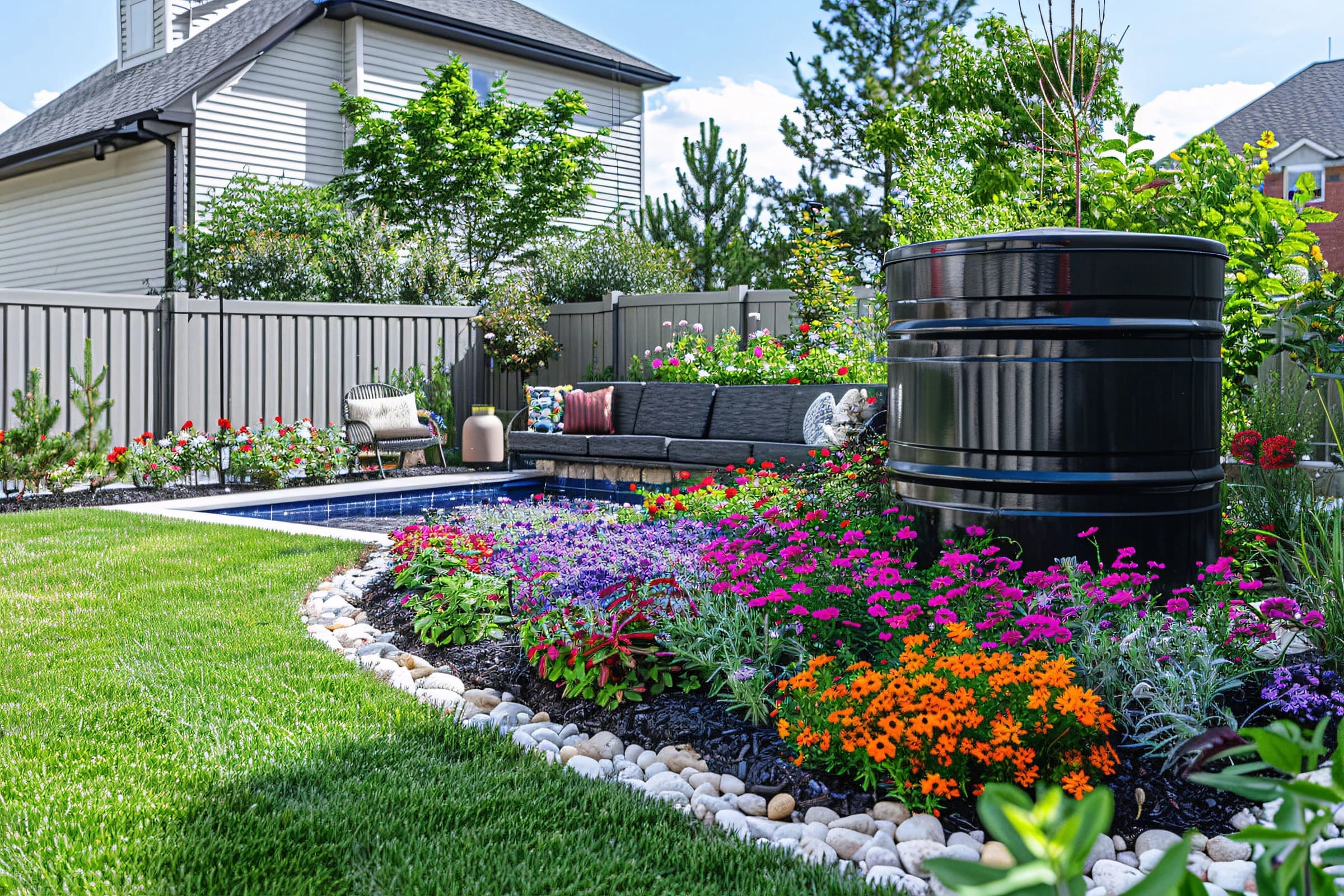
Single properties across the Lake Norman area, from small front lawns to multi-acre lakefront turf. Programs are written to the lawn in front of us.
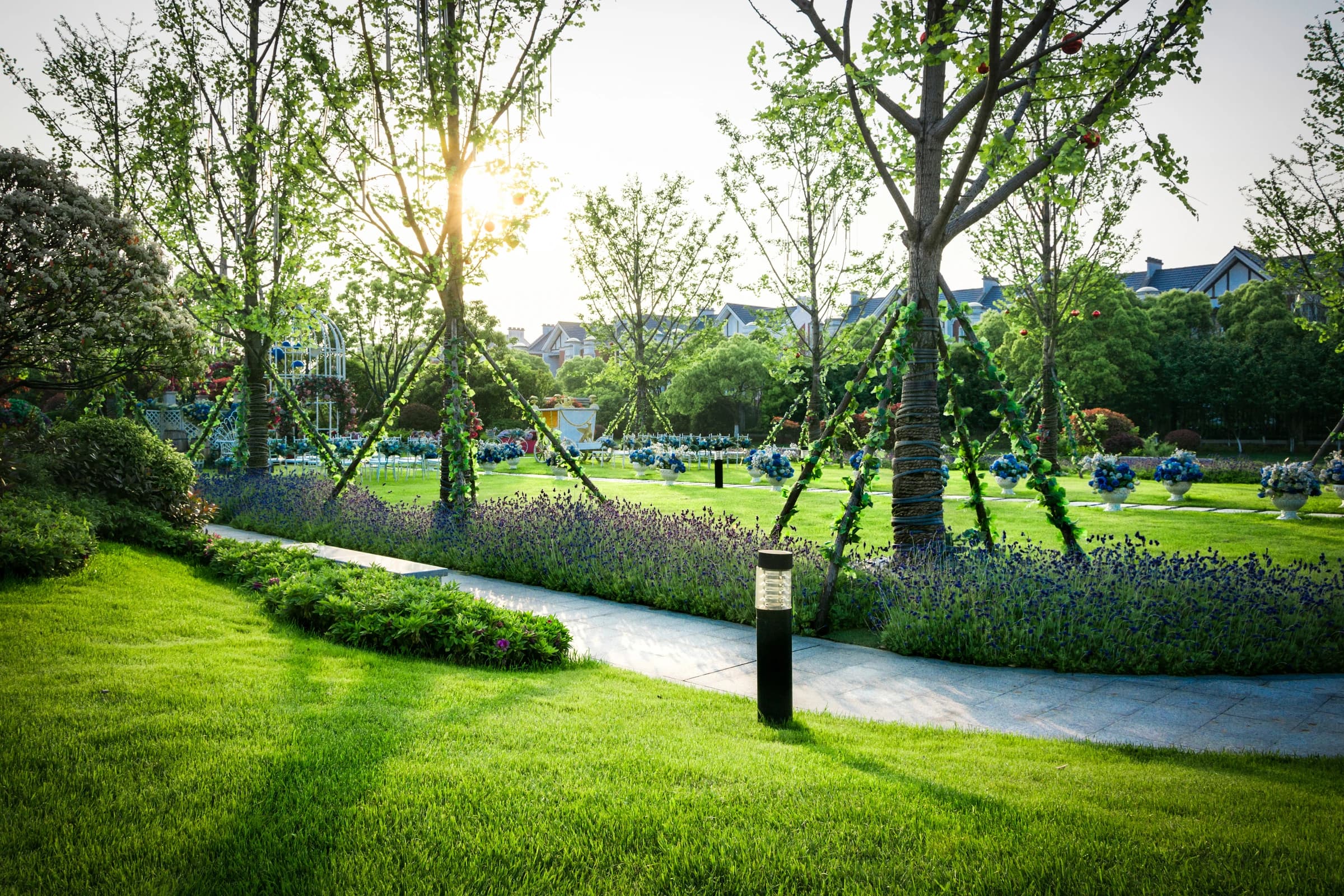
Business frontages, community common areas and managed sites where turf appearance is part of how the property presents. Scheduled and documented.
We stand behind our work. If you're unhappy with a service we performed, contact us and we'll come back to address the concern and make it right.
Mow, Inc. maintains the property: cutting, edging, beds and cleanups. AMPTurf treats the turf itself with fertilization, weed control, aeration, overseeding and disease or insect management. Different work, different schedule, different visit.
Question 1 of 9Most programs run every six to eight weeks, adjusted to the season and to what the turf needs at that point in the year rather than to a fixed calendar. Regular visits are also what lets a problem get caught while it is still small.
Question 2 of 9Early autumn. Fescue roots into cooling soil while there is still enough warmth for germination, so seed put down then establishes before winter. Spring seeding rarely survives a Carolina summer.
Question 3 of 9Late spring into summer, once bermuda or zoysia is actively growing and can fill in the holes. Aerating warm-season turf while it is dormant does more harm than good.
Question 4 of 9Mowing does not create density. Thin turf usually traces back to compaction, fertility, disease pressure, insect damage, shade or watering. Diagnosing which one it is comes before any treatment.
Question 5 of 9No. Plenty of customers use one and not the other. They work well together because the same team sees the property regularly, but the two services are billed and scheduled separately.
Question 6 of 9Applied to label, our products are safe for children and pets once the lawn has dried completely. You get the instructions for that specific application after every visit, so there is never a guess about when it is fine to use the lawn again.
Question 7 of 9No, as long as the technician can get to the lawn. Gates need to be unlocked and pets brought in. We leave notes on what was done and anything we noticed while we were there.
Question 8 of 9Tell us and we schedule a follow-up visit to look at it. Turf responds over weeks rather than days, so part of that visit is establishing whether a treatment has failed or simply has not had time yet.
Question 9 of 9Reviews
We look at the lawn before recommending a program. If the problem is drainage, shade or irrigation rather than fertility, we will say so.

